Cartref - Newyddion - Manylion

Pa Ffactorau Sy'n Dinistrio Llyfnder Corff y Botel Wrth Gynhyrchu Poteli Gwydr

1. Pan fydd y gwag gwydr yn disgyn i'r mowld cychwynnol, ni all fynd i mewn i'r mowld cychwynnol yn gywir, ac mae'r ffrithiant gyda wal y mowld yn rhy fawr, gan ffurfio crychau. Ar ôl chwythu, mae'r crychau'n lledaenu ac yn ehangu, gan ffurfio crychau ar gorff y botel wydr.


2. Mae marc siswrn y peiriant bwydo uchaf yn rhy fawr, ac mae'r marc siswrn yn ymddangos ar gorff rhai poteli gwydr ar ôl eu mowldio.
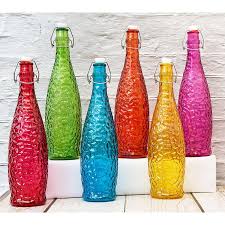

1. When the glass blank falls into the initial mold, it cannot enter the initial mold accurately, and the friction with the mold wall is too large, forming creases. After blowing, the creases spread and enlarge, forming wrinkles on the glass bottle body.  2. The scissor mark of the upper feeding machine is too large, and the scissor mark appears on the body of some glass bottles after molding.   3. The material of the glass bottle initial mold and molding is poor, the density is not enough, and the oxidation is too fast after high temperature, forming small pits on the surface of the mold, resulting in the surface of the glass bottle being not smooth after molding.  4. The poor quality of glass bottle mold oil will cause insufficient lubrication of the mold, slow down the dripping speed of lubricating oil, and change the material shape too quickly.  5. The initial mold design is unreasonable, the mold cavity is large or small, and after the material drops into the forming mold, it is blown and diffused unevenly, which will cause spots on the body of the glass bottle.   6. The dropping speed of the machine is not uniform, and the improper adjustment of the tuyere will cause the temperature of the glass bottle initial mold and mold forming to be uncoordinated, and it is easy to create cold spots on the glass bottle body, which directly affects the finish.  7. If the glass material liquid in the kiln is not clean or the temperature of the material is not uniform, it will also cause bubbles, small particles, and small flakes to appear in the output glass bottles.  8. If the machine speed is too fast or slow, the glass bottle body will be uneven, and the bottle wall thickness will vary, resulting in mottling.  The above are the factors that easily cause or damage the smoothness of the bottle body during the production of glass bottles.


3. Mae deunydd llwydni a mowldio cychwynnol y botel wydr yn wael, nid yw'r dwysedd yn ddigon, ac mae'r ocsidiad yn rhy gyflym ar ôl tymheredd uchel, gan ffurfio pyllau bach ar wyneb y llwydni, gan arwain at wyneb y botel gwydr yn cael ei ddim yn llyfn ar ôl mowldio.


4. Bydd ansawdd gwael olew llwydni potel gwydr yn achosi iro'r mowld yn annigonol, yn arafu cyflymder diferu olew iro, ac yn newid siâp y deunydd yn rhy gyflym.


5. Mae'r dyluniad llwydni cychwynnol yn afresymol, mae ceudod y llwydni yn fawr neu'n fach, ac ar ôl i'r deunydd ddisgyn i'r mowld ffurfio, caiff ei chwythu a'i wasgaru'n anwastad, a fydd yn achosi smotiau ar gorff y botel wydr.


1. When the glass blank falls into the initial mold, it cannot enter the initial mold accurately, and the friction with the mold wall is too large, forming creases. After blowing, the creases spread and enlarge, forming wrinkles on the glass bottle body.  2. The scissor mark of the upper feeding machine is too large, and the scissor mark appears on the body of some glass bottles after molding.   3. The material of the glass bottle initial mold and molding is poor, the density is not enough, and the oxidation is too fast after high temperature, forming small pits on the surface of the mold, resulting in the surface of the glass bottle being not smooth after molding.  4. The poor quality of glass bottle mold oil will cause insufficient lubrication of the mold, slow down the dripping speed of lubricating oil, and change the material shape too quickly.  5. The initial mold design is unreasonable, the mold cavity is large or small, and after the material drops into the forming mold, it is blown and diffused unevenly, which will cause spots on the body of the glass bottle.   6. The dropping speed of the machine is not uniform, and the improper adjustment of the tuyere will cause the temperature of the glass bottle initial mold and mold forming to be uncoordinated, and it is easy to create cold spots on the glass bottle body, which directly affects the finish.  7. If the glass material liquid in the kiln is not clean or the temperature of the material is not uniform, it will also cause bubbles, small particles, and small flakes to appear in the output glass bottles.  8. If the machine speed is too fast or slow, the glass bottle body will be uneven, and the bottle wall thickness will vary, resulting in mottling.  The above are the factors that easily cause or damage the smoothness of the bottle body during the production of glass bottles.


6. Nid yw cyflymder gollwng y peiriant yn unffurf, a bydd addasiad amhriodol y tuyere yn achosi i dymheredd llwydni cychwynnol y botel wydr a'r mowld sy'n ffurfio fod yn anghydlynol, ac mae'n hawdd creu mannau oer ar y corff botel gwydr, sy'n effeithio'n uniongyrchol ar y gorffeniad.


7. Os nad yw'r hylif deunydd gwydr yn yr odyn yn lân neu os nad yw tymheredd y deunydd yn unffurf, bydd hefyd yn achosi swigod, gronynnau bach, a naddion bach i ymddangos yn y poteli gwydr allbwn.


8. Os yw cyflymder y peiriant yn rhy gyflym neu'n araf, bydd y corff botel gwydr yn anwastad, a bydd trwch wal y botel yn amrywio, gan arwain at motling.


Yr uchod yw'r ffactorau sy'n achosi neu'n niweidio llyfnder corff y botel yn hawdd wrth gynhyrchu poteli gwydr.


Anfon ymchwiliad

Fe allech Chi Hoffi Hefyd